Why Your Gut Healing Protocol Isn't Working: The Critical Sequence Most People Get Wrong
Dr. Todd Strong explains why timing matters more than supplements in gut healing. Learn the proper sequence for addressing leaky gut and autoimmune conditions effectively.
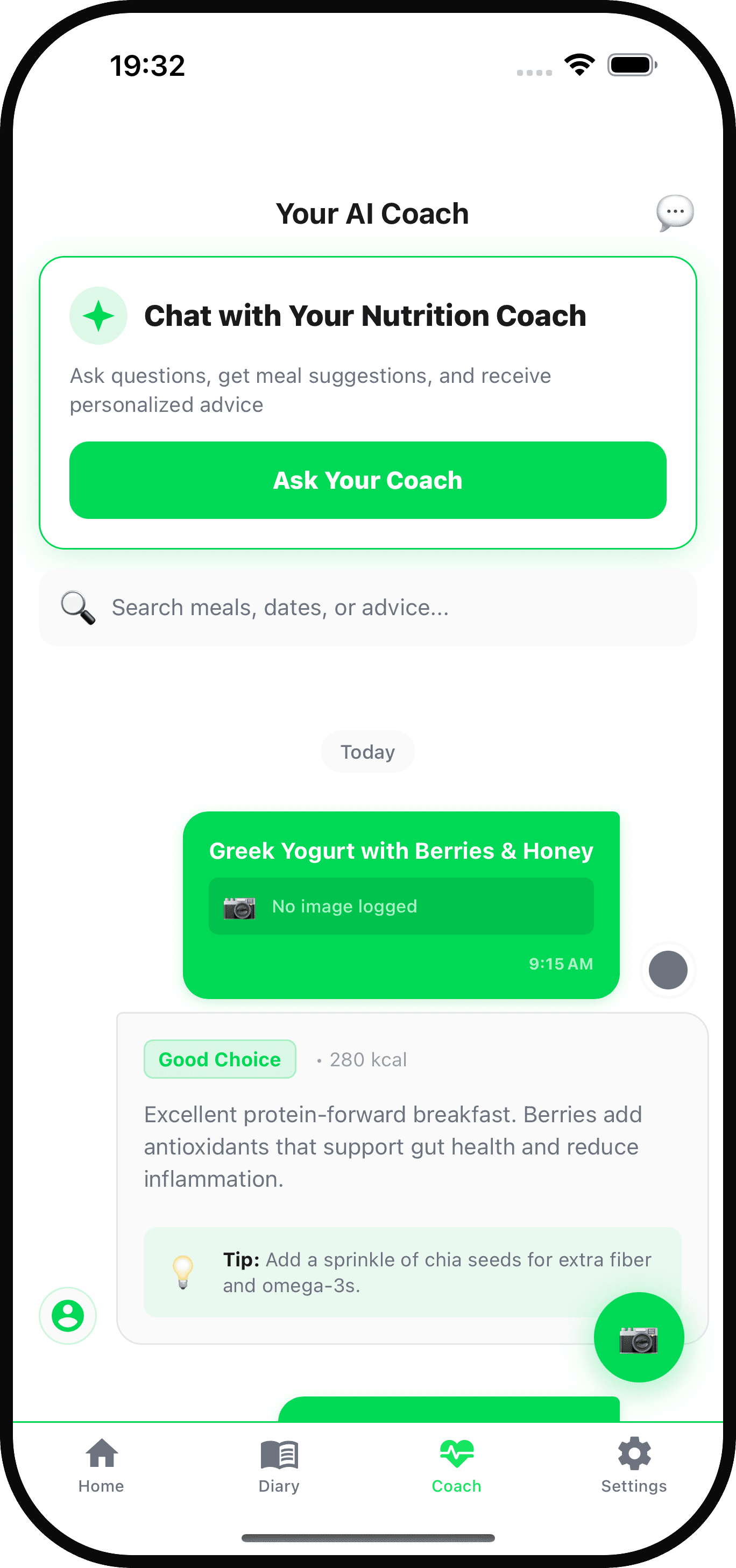
Photo by NutriAI.
You've tried every gut healing supplement on the market. You've followed protocols from multiple practitioners. You've spent thousands of dollars on probiotics, digestive enzymes, and detox programs. Yet your symptoms persist, your energy remains low, and your gut issues keep cycling back.
The problem isn't your commitment or the quality of your supplements. The problem is sequence. Most people approach gut healing like throwing ingredients into a pot without following a recipe. They skip critical steps, do things out of order, and wonder why they're not getting results.
As I explained in a recent video (watch here), there's a specific method to fixing the gut barrier, eliminating toxins, and repopulating the microbiome correctly. Get the order wrong, and you can actually make your condition worse.
The Fatal Flaw in Most Gut Protocols
Here's what I see in my functional medicine practice every week: patients taking probiotics while still harboring pathogenic bacteria. People attempting detox protocols before their gut barriers are sealed. Individuals jumping straight to advanced treatments without addressing basic digestive function.
This approach fails for a simple reason: you're feeding the problem while trying to fix it.
When you take probiotics before eliminating harmful bacteria, you're essentially fertilizing a garden full of weeds. The beneficial bacteria can't establish themselves because the pathogenic organisms are still dominating the environment. Worse, some probiotics can actually feed certain harmful bacteria, making your symptoms more severe.
Similarly, attempting detoxification before repairing the gut barrier is like trying to clean a house with broken windows. The toxins you're mobilizing can leak through your compromised intestinal lining, creating more inflammation and potentially triggering autoimmune reactions.
The Proper Gut Healing Sequence
Based on eight years of treating severe gut issues and autoimmune conditions, here's the sequence that actually works:
Phase 1: Remove the Obstacles (Weeks 1-4)
Eliminate pathogenic bacteria, parasites, and fungi first. This isn't optional. You cannot build a healthy microbiome on top of an infected foundation.
- Test for specific pathogens through comprehensive stool analysis
- Use targeted antimicrobials based on test results
- Address biofilms that protect harmful organisms
- Remove inflammatory foods that feed pathogenic bacteria
Phase 2: Repair the Gut Barrier (Weeks 3-8)
Seal the intestinal lining before introducing new organisms. A leaky gut cannot maintain a healthy microbiome.
- Support tight junction integrity with specific nutrients
- Reduce intestinal inflammation
- Heal damaged epithelial cells
- Restore proper mucus production
Phase 3: Restore Beneficial Bacteria (Weeks 6-12)
Only now introduce probiotics and prebiotics. The environment is finally ready to support beneficial organisms.
- Start with specific strains based on your condition
- Introduce prebiotics gradually to feed beneficial bacteria
- Monitor symptoms carefully during reintroduction
- Adjust based on individual tolerance
Phase 4: Maintain and Monitor (Ongoing)
Track patterns to prevent regression. Most people skip this step and wonder why their symptoms return.
- Continue supporting gut barrier function
- Maintain dietary modifications
- Monitor symptom patterns
- Adjust protocol based on ongoing assessment
Why Timing Matters More Than Supplements
The gut microbiome exists in a delicate balance. Beneficial bacteria, pathogenic organisms, and immune cells are constantly interacting. When you introduce interventions in the wrong order, you disrupt this balance in ways that can take months to correct.
Consider this analogy: you wouldn't plant a garden by throwing seeds onto weedy, compacted soil and hoping for the best. You'd first remove the weeds, till the soil, add nutrients, and then plant your seeds. The same principle applies to gut healing.
Dr. Strong's clinical experience shows that patients who follow the proper sequence see results 60-70% faster than those who jump around between interventions. More importantly, their improvements tend to be more stable and long-lasting.
Common Sequencing Mistakes That Sabotage Results
Starting with probiotics too early: This is the most common error. Probiotics introduced before pathogen elimination often worsen symptoms by feeding harmful bacteria or creating competition for resources.
Attempting detox with a leaky gut: Mobilizing toxins through a compromised intestinal barrier can trigger inflammatory cascades and autoimmune flares. Always repair the gut lining first.
Ignoring biofilms: Many pathogenic bacteria and fungi hide in protective biofilms. Standard antimicrobials can't penetrate these barriers, leaving the root infection untreated.
Rushing the timeline: Each phase needs adequate time to establish before moving to the next step. Impatience leads to incomplete healing and symptom recurrence.
Skipping maintenance: The gut requires ongoing support to maintain the improvements you've achieved. Most relapses happen because people stop their protocol too soon.
How to Track Your Progress Correctly
Gut healing isn't linear. You'll have good days and setbacks. The key is tracking patterns over weeks and months, not daily fluctuations.
Monitor these markers:
- Energy levels throughout the day
- Digestive symptoms (bloating, gas, bowel movements)
- Sleep quality and duration
- Mood and cognitive function
- Skin condition
- Joint pain or stiffness
- Food tolerance improvements
Keep a detailed symptom diary that includes what you eat, how you feel, and any interventions you're using. This data becomes invaluable for identifying triggers and tracking true progress.
The Role of Inflammation Tracking
Chronic gut issues create systemic inflammation that affects every organ system. As your gut heals, this inflammation should steadily decrease. However, tracking inflammation requires more than just noting how you feel.
Modern tools can help quantify your inflammatory load by analyzing the foods you eat and correlating them with your symptoms over time. This objective data helps you identify which foods support your healing and which ones trigger setbacks.
The most successful patients are those who can clearly see the connection between their dietary choices and their symptoms. This awareness allows them to make informed decisions and stay motivated during the challenging phases of gut repair.
Moving Forward with Confidence
Gut healing requires patience, precision, and the right sequence. If you've been struggling with protocols that aren't working, step back and assess whether you're following the proper order. Most likely, you're skipping steps or rushing the process.
Start with comprehensive testing to identify what you're dealing with. Then follow the sequence: remove, repair, restore, maintain. Give each phase adequate time, and track your progress objectively.
Remember, there's no universal timeline for gut healing. Some people see improvements in weeks, others need months. The key is consistency with the right approach, not jumping between different protocols when you don't see immediate results.
Your gut has an remarkable capacity to heal when given the proper support in the right sequence. The question isn't whether you can recover—it's whether you're willing to follow the process that actually works."
Frequently asked questions
- How long does proper gut healing take when following the correct sequence?
- The timeline varies by individual, but most people see significant improvements within 3-6 months when following the proper sequence. Phase 1 (pathogen removal) typically takes 4-6 weeks, Phase 2 (gut repair) takes 4-8 weeks, and Phase 3 (restoration) takes 6-12 weeks. Maintenance is ongoing.
- Can I take probiotics while eliminating pathogenic bacteria?
- No, this is one of the most common mistakes. Taking probiotics before eliminating pathogenic bacteria can actually feed harmful organisms and worsen symptoms. Always complete pathogen removal first, then repair the gut barrier, and only then introduce beneficial bacteria.
- What tests should I do before starting a gut healing protocol?
- A comprehensive stool analysis is essential to identify specific pathogens, beneficial bacteria levels, and markers of inflammation. Additional tests may include food sensitivity panels, organic acids testing, and intestinal permeability assessment depending on your symptoms.
- Why do my gut symptoms keep coming back even after treatment?
- Symptom recurrence usually happens because steps were skipped in the healing sequence, the timeline was rushed, or maintenance protocols weren't followed. Many people stop their protocol too soon or don't address underlying triggers like stress, sleep, or inflammatory foods.
- Is it normal to feel worse before feeling better during gut healing?
- Some temporary worsening can occur during pathogen elimination due to die-off reactions, but severe or prolonged worsening often indicates the protocol is being done in the wrong order or too aggressively. Proper sequencing should minimize negative reactions.