How Nutri AI Tools Transform Your Sleep Quality Through Smart Meal Timing
AI nutrition apps like NutriAI analyze your meals and circadian rhythms to optimize sleep quality through personalized food timing and anti-inflammatory meal choices.
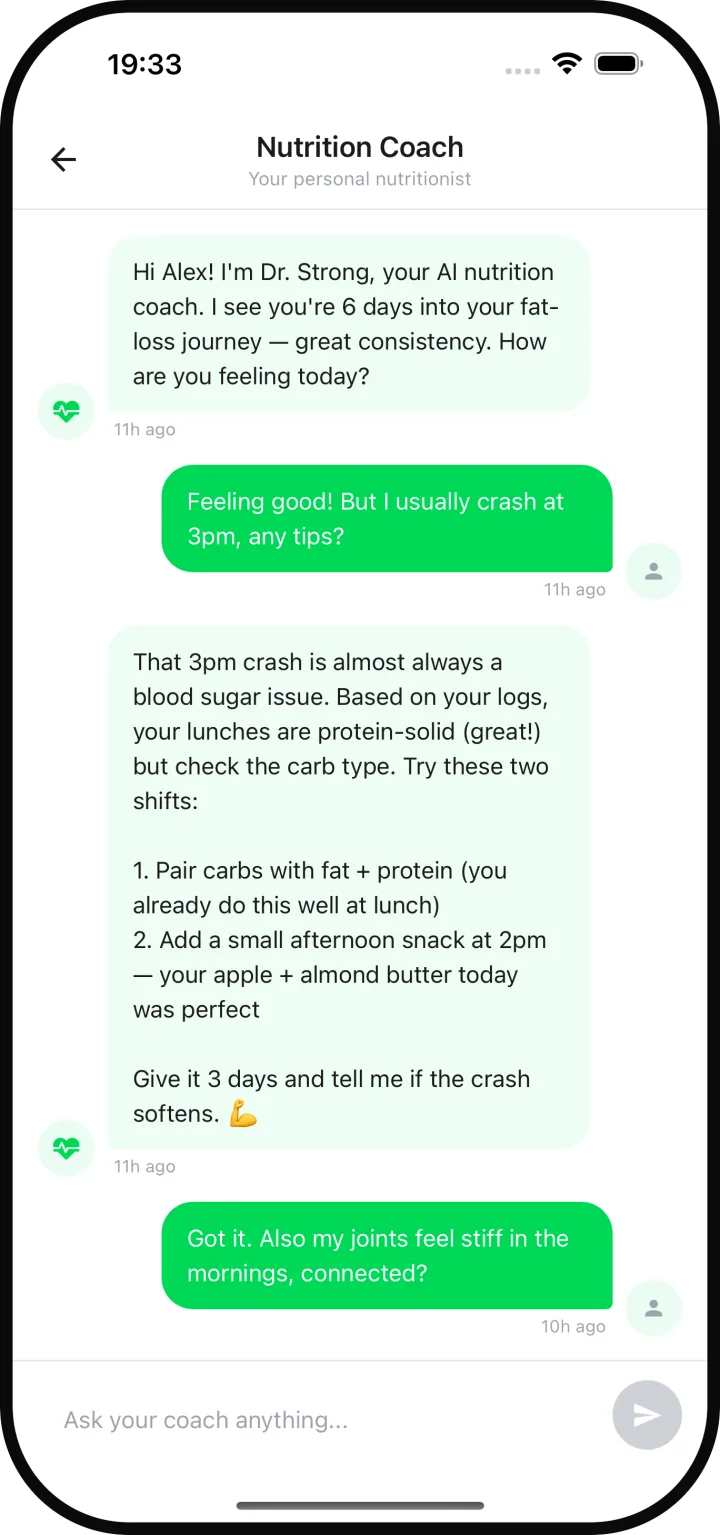
Photo by NutriAI.
Your sleep quality depends on more than just your bedtime routine. What you eat and when you eat it creates a cascade of hormonal and inflammatory responses that either support or sabotage your circadian rhythm. Most people focus on sleep hygiene while ignoring the nutritional foundation that makes quality rest possible.
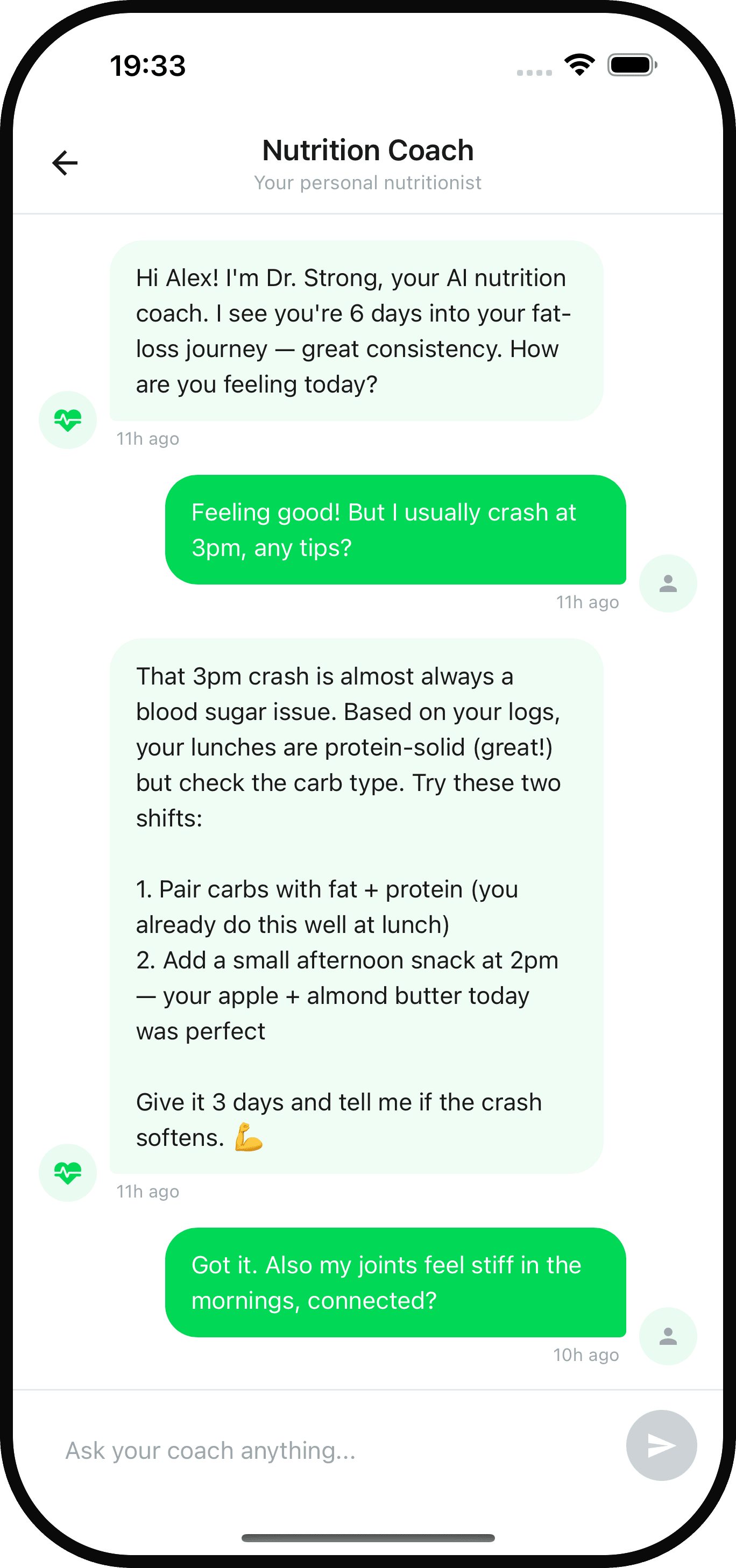
Nutri AI tools can optimize your sleep by analyzing your meal patterns, identifying inflammatory triggers, and recommending personalized food timing strategies. These apps use machine learning to track how specific foods affect your energy crashes, joint stiffness, and sleep onset — then suggest anti-inflammatory swaps and optimal meal windows for your circadian biology.
The connection runs deeper than you might expect. Poor meal timing disrupts melatonin production, inflammatory foods trigger cortisol spikes, and blood sugar crashes create 3 AM wake-ups. Traditional nutrition advice treats these as separate issues. AI nutrition platforms see the patterns.
How Food Timing Affects Your Sleep Architecture
Your digestive system operates on its own circadian clock, separate from your brain's sleep-wake cycle. When these clocks fall out of sync, sleep quality plummets.
Late dinners force your digestive system to work overtime during natural wind-down hours. This elevates core body temperature when it should be dropping for sleep onset. Research shows eating within 3 hours of bedtime delays REM sleep by an average of 47 minutes.
Large meals trigger insulin responses that interfere with growth hormone release during deep sleep phases. Your body prioritizes digestion over cellular repair. The result: you sleep longer but feel less restored.
Nutri AI platforms track these patterns automatically. They analyze your meal photos, identify high-glycemic foods that spike blood sugar, and recommend timing adjustments based on your personal sleep data. No guesswork required.
The Inflammation-Sleep Connection
Chronic inflammation creates a vicious cycle with poor sleep. Inflammatory foods trigger cytokine release, which disrupts sleep architecture. Sleep deprivation then increases inflammatory markers, making you crave more inflammatory foods the next day.
Common inflammatory triggers include:
- Refined sugars and processed carbohydrates
- Omega-6 heavy vegetable oils (soybean, corn, canola)
- Gluten-containing grains in sensitive individuals
- Dairy products for those with casein sensitivity
- Nightshade vegetables (tomatoes, peppers, eggplant) in some people
The challenge: inflammatory responses are highly individual. A food that helps one person sleep might keep another person wired. Traditional elimination diets take months to identify personal triggers.
AI nutrition tools solve this by tracking correlations between specific meals and sleep metrics. They grade each meal for inflammatory potential, then cross-reference with your sleep quality scores. Over 2-3 weeks, clear patterns emerge.
How AI Nutrition Apps Optimize Sleep Quality
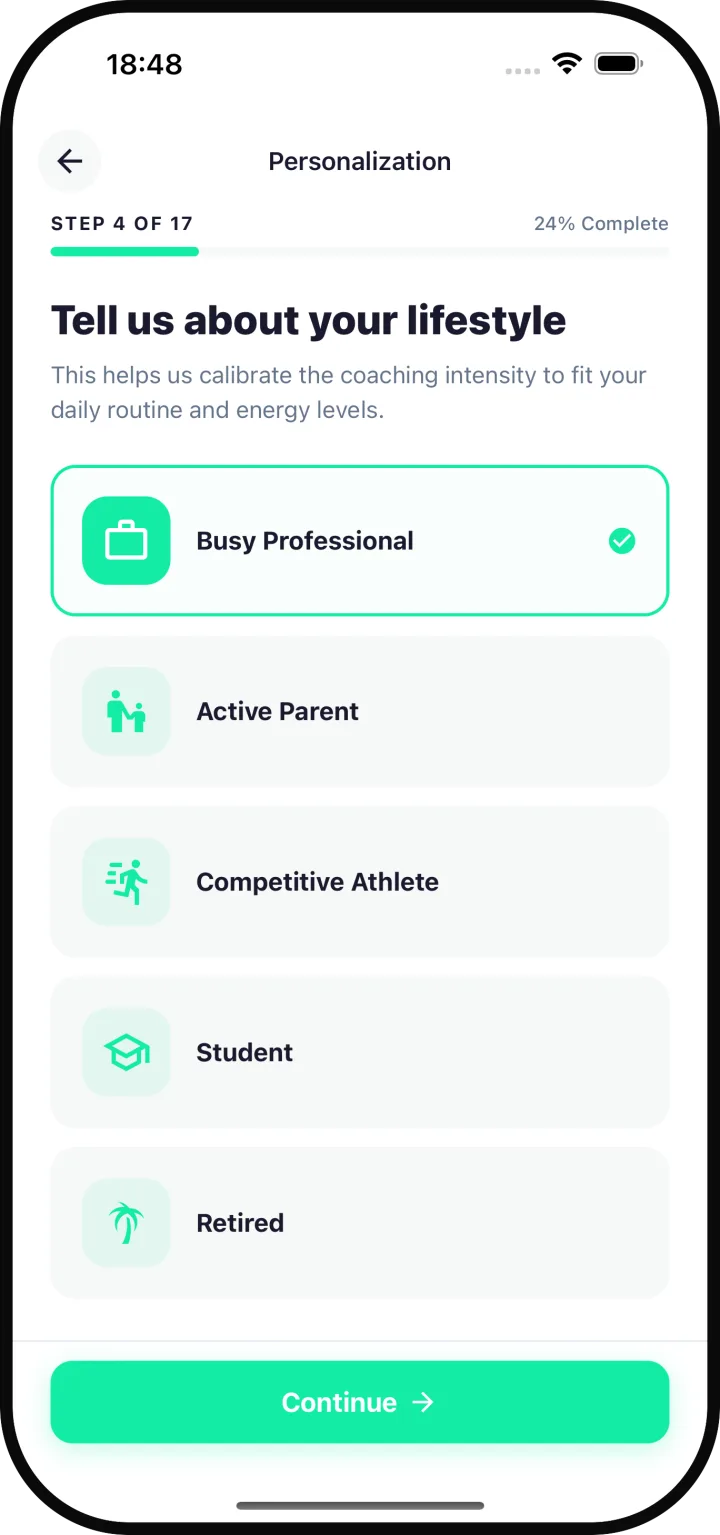
Modern nutri AI platforms use computer vision to analyze meal photos, then apply personalized algorithms to optimize your eating patterns for better sleep.
Real-Time Meal Analysis
When you scan a meal, AI tools identify individual ingredients and calculate an inflammation score based on established research. Foods high in magnesium, tryptophan, and omega-3 fatty acids get higher grades. Pro-inflammatory ingredients lower the score.
The app then provides immediate feedback: "This meal contains refined sugar that may disrupt sleep onset. Try swapping the granola for raw almonds to support melatonin production."
Circadian Meal Timing
AI nutrition platforms learn your natural chronotype — whether you're naturally an early bird or night owl — then recommend optimal eating windows. Morning types benefit from larger breakfasts and lighter dinners. Evening types need different timing strategies.
The app tracks when you eat each meal and correlates this with sleep onset time, wake frequency, and morning energy levels. It identifies your personal "metabolic curfew" — the latest you can eat without sleep disruption.
Personalized Anti-Inflammatory Swaps
Instead of generic dietary advice, AI tools suggest specific food swaps based on your inflammatory markers and sleep patterns. If you consistently sleep poorly after pasta dinners, the app might recommend zucchini noodles with the same sauce.
These recommendations get more precise over time. The AI learns that you sleep better with certain protein sources, specific cooking methods, or particular spice combinations.
Sleep-Supporting Foods AI Tools Recommend
Nutri AI platforms consistently identify certain foods as sleep optimizers across different user profiles:
Magnesium-rich foods support GABA production and muscle relaxation. Think pumpkin seeds, dark leafy greens, and wild-caught fish. The AI tracks your magnesium intake and suggests timing these foods 2-3 hours before bed.
Tryptophan sources provide raw materials for serotonin and melatonin synthesis. Turkey, eggs, and tart cherry juice score highly. The app calculates optimal portions based on your body weight and activity level.
Complex carbohydrates eaten in small amounts can support tryptophan uptake in the brain. Sweet potatoes, quinoa, and steel-cut oats work well. AI tools recommend these earlier in the evening to avoid blood sugar spikes near bedtime.
Anti-inflammatory fats from sources like wild salmon, walnuts, and olive oil support overall sleep architecture. The AI tracks your omega-3 to omega-6 ratio and suggests adjustments.
Avoiding Sleep-Disrupting Foods
AI nutrition platforms excel at identifying personal sleep disruptors that might not affect others. Common culprits include:
Caffeine sensitivity varies dramatically between individuals. Some people clear caffeine quickly and can drink coffee at 4 PM without sleep issues. Others need to stop by noon. AI tools track your caffeine intake timing and correlate it with sleep onset delays.
Hidden sugars in seemingly healthy foods can cause middle-of-the-night wake-ups as blood sugar crashes. The AI identifies these patterns and suggests lower-glycemic alternatives.
Food sensitivities often manifest as sleep disruption before digestive symptoms appear. AI platforms track subtle correlations between specific ingredients and sleep quality metrics.
The Future of Sleep-Optimized Nutrition
Current nutri AI tools represent just the beginning. Advanced platforms are integrating with continuous glucose monitors, sleep trackers, and even genetic testing to create hyper-personalized nutrition protocols.
Imagine an AI that knows your glucose response to every food, your sleep stages throughout the night, and your genetic variants affecting caffeine metabolism. It could recommend not just what to eat, but precisely when to eat it for optimal sleep quality.
Some platforms are already experimenting with predictive models. Based on your meal choices and timing, the AI predicts your likely sleep quality and energy levels for the next day. This creates a feedback loop that naturally guides better food choices.
The most sophisticated systems integrate with smart home devices to optimize your entire sleep environment based on your nutritional choices. Heavy dinner? The AI might adjust your bedroom temperature or suggest a specific meditation sequence.
Getting Started with AI-Powered Sleep Nutrition
The key is choosing a platform that goes beyond basic calorie counting to analyze inflammation markers and circadian timing. Look for apps that use computer vision for meal analysis, provide personalized anti-inflammatory scores, and track correlations with sleep metrics.
Start by logging your meals and sleep quality for two weeks. Most AI platforms need this baseline data to identify your personal patterns. Be consistent with meal timing and honest about sleep quality ratings.
Pay attention to the app's swap suggestions. Small changes often produce dramatic results. Switching from inflammatory vegetable oils to olive oil, or timing your largest meal earlier in the day, can transform your sleep within days.
The goal isn't perfect adherence to generic sleep nutrition rules. It's discovering your unique nutritional needs through data-driven insights that would take years to identify manually.
Tonight, try eating your largest meal at least 4 hours before bedtime and choose foods rich in magnesium and tryptophan. Then let AI nutrition tools help you refine this approach based on your personal response patterns.
Frequently asked questions
- How long does it take for AI nutrition apps to improve sleep quality?
- Most users see initial improvements within 1-2 weeks of following AI-recommended meal timing and food swaps. The app needs about 14 days of consistent data to identify your personal inflammatory triggers and optimal eating windows. Significant sleep quality improvements typically occur within 3-4 weeks of consistent use.
- Can nutri AI tools replace sleep studies or medical advice?
- No, AI nutrition apps complement but don't replace medical evaluation for sleep disorders. They're excellent for optimizing nutrition-related sleep factors like meal timing and inflammatory foods, but conditions like sleep apnea require medical diagnosis. Always consult healthcare providers for persistent sleep issues.
- What makes AI nutrition apps better than generic sleep nutrition advice?
- AI apps provide personalized recommendations based on your individual responses to foods, rather than generic guidelines. They track correlations between specific meals and your sleep quality, identify personal inflammatory triggers, and learn your optimal meal timing patterns. This personalization is impossible with one-size-fits-all advice.
- Do I need to track sleep data separately or does the nutrition app handle everything?
- Most AI nutrition apps integrate with popular sleep trackers like Apple Health, Fitbit, or Oura rings to automatically sync sleep data. You can also manually rate sleep quality within the app. The key is consistent tracking so the AI can correlate your meals with sleep outcomes.
- Which foods are most likely to disrupt sleep according to AI analysis?
- AI platforms consistently identify refined sugars, caffeine after 2 PM, large meals within 3 hours of bedtime, and high omega-6 oils as common sleep disruptors. However, individual triggers vary significantly - some people are sensitive to nightshades or dairy, while others aren't. The AI identifies your personal problem foods through data analysis.